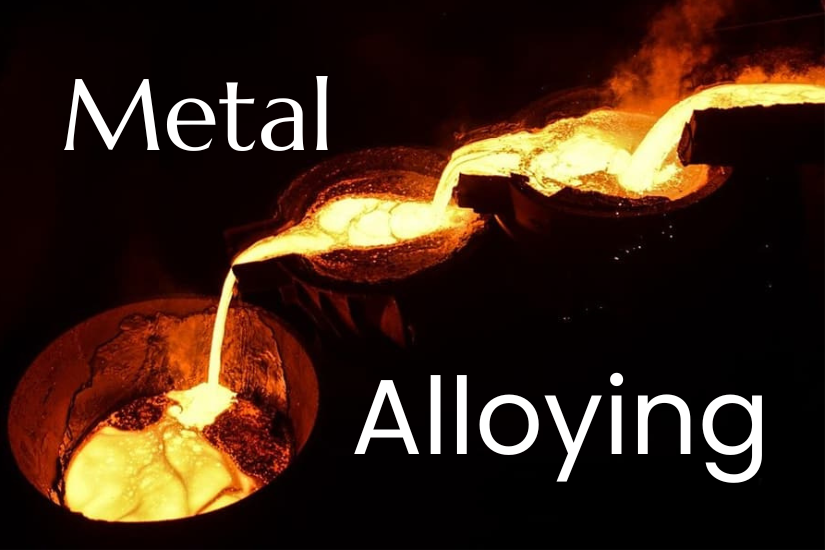
Have you ever wondered why rose gold looks pink, or why 24K gold jewellery is so rare? The answer is alloying, one of the most important concepts in jewellery manufacturing.
What Is Alloying?
Alloying is the process of combining two or more metals to create a new material with enhanced properties. In jewellery, this usually means mixing a precious metal like gold or silver with other metals to improve how it performs and looks.
Why Do Jewellers Alloy Metals?
1. Improved Strength: Pure gold and pure silver are naturally very soft, too soft to hold their shape through daily wear. Alloying adds hardness and structural strength.
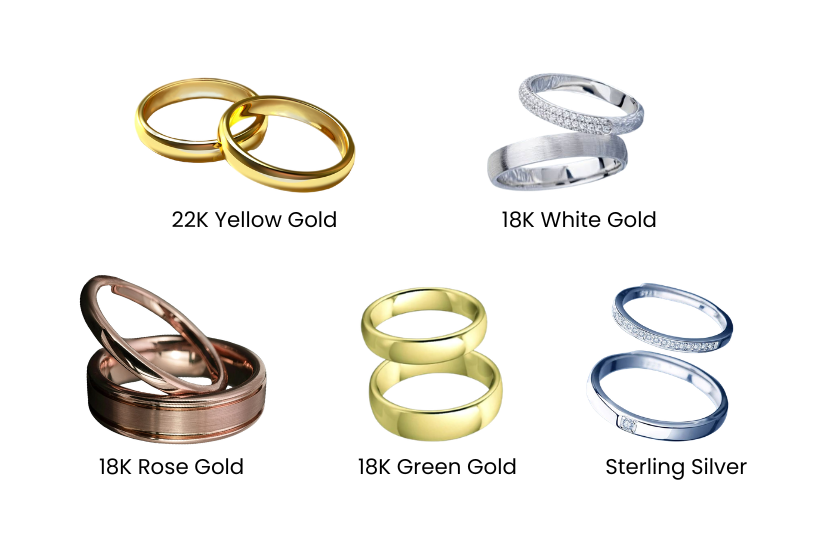
2. Colour Variation: Changing the ratio of metals in a gold alloy changes its final colour. This is how jewellers create:
- Yellow gold: Gold, Silver, and Copper in balanced amounts
- Rose gold: A higher proportion of copper
- White gold: Gold mixed with white metals like Palladium or Nickel
- Green gold: A higher proportion of silver relative to copper
3. Cost Efficiency: Mixing precious metals with more affordable ones (like copper or zinc) reduces the overall material cost of a piece without significantly compromising its appearance.
4. Enhanced Durability: Alloyed metals resist scratches, dents, and deformation far better than pure metals critical for jewellery that’s worn daily.
Common Jewellery Alloys
| Alloy | Composition |
| 22K Yellow Gold | 91.6% gold, 5% copper, 3.4% silver |
| 18K Yellow Gold | 75% gold, 15% silver, 10% copper |
| 18K White Gold | 75% gold, 25% white metals (palladium, silver, nickel, zinc) |
| 18K Rose Gold | 75% gold, 22.25% copper, 2.75% silver |
| 18K Green Gold | 75.5% gold, 17.25% silver, 6.25% copper, and 1% zinc |
| Sterling Silver | 92.5% silver, 7.5% copper |
Why This Matters for Students
Understanding alloying isn’t just chemistry trivia; it directly informs design decisions. A jeweller who understands alloy composition can predict how a piece will cast, polish, hold colour over time, and react during soldering. It’s foundational knowledge that connects metallurgy to real design outcomes.
Ready to turn this knowledge into a craft? Join our next batch of the Jewellery Manufacturing Techniques course and start working with metals yourself.