Discovering the Science Behind Sparkle
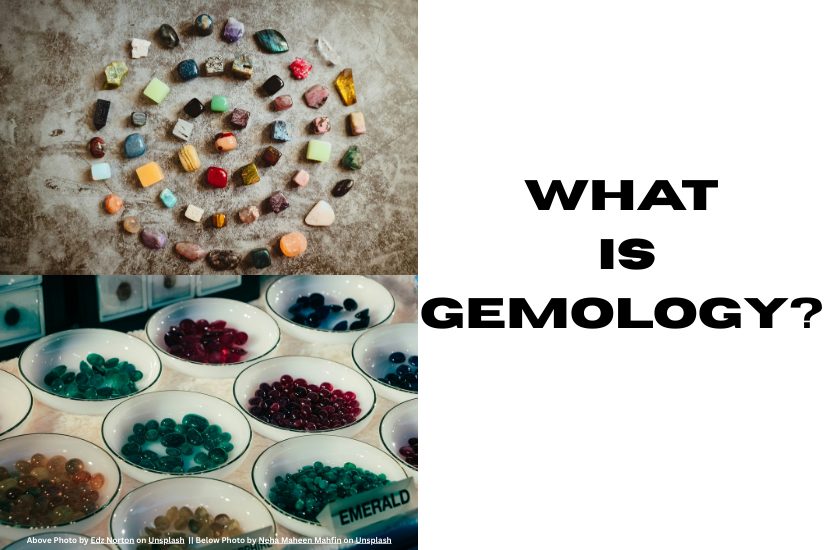
Gemology is the scientific study of precious and semi-precious gemstones, including their origin, formation, properties, classification, grading, and valuation. It is a unique blend of science and aesthetics, where precision meets passion. It also involves how experts fashion the gemstones.
The field extends beyond natural minerals to include synthetic gemstones, imitations, and organic substances such as amber, pearls, and coral. Gemologists apply their knowledge to accurately identify gemstones, distinguish between natural, synthetic, and imitation stones, and assess quality through techniques such as grading and advanced testing. Diamond grading forms a crucial part of this discipline, requiring keen observation and expertise.
Gemology not only explores the inner beauty and structure of gems but also how they are fashioned and finished, combining technical knowledge with artistic craftsmanship.
The Gemstone Supply Chain
Understanding the gemstone supply chain helps gemologists identify where they fit and how they can contribute at each stage.
The supply chain is divided into three core segments:
- Upstream: Mining, rough gemstone sourcing, and primary distribution
- Midstream: Cutting, polishing, grading, and mid-level trading
- Downstream: Jewellery design, certification, retail, and auctions
Gemologists are needed across all these phases, making it a versatile career path with diverse roles in labs, retail, and international trade.
Gemology Professionals
The world of gemology extends beyond the work of gemologists alone—it thrives on a network of skilled professionals. At its core, gemology specialises in identifying, grading, and authenticating gemstones using scientific methods and advanced tools.
They play a vital role in the gem and jewellery industry, ensuring that the gemstones featured in engagement rings, heirloom pieces, and high-value collections are genuine, high-quality, and ethically sourced. Their expertise safeguards the integrity and value of each gem, supporting both consumer trust and industry standards.
Appraisers assign market value based on quality, rarity, and demand, while jewellers and designers use gemological knowledge to craft and sell pieces that highlight each gem’s beauty and integrity.
Lapidaries, or gem cutters, require a deep understanding of gemstone properties to cut and polish them without damage.
Goldsmiths and metalworkers must know how different gems react to heat and pressure to create safe settings.
Behind the scenes, scientists contribute by developing testing methods and discovering new gemstones. Some professionals also become independent dealers or buyers, trading gems globally using their expertise in valuation and sourcing. Together, these roles handle every gemstone with precision, artistry, and trust.
Career Opportunities in Gemology
A gemology certification unlocks a variety of roles across the value chain. Whether you’re technically inclined or have a flair for design or sales, there’s a role for you.
Popular career paths include:
- Gemstone Grader – Works in laboratories to assess gemstone quality.
- Jewellery Appraiser – Evaluates and certifies gemstone authenticity and value.
- Jewellery Designer – Uses gemological knowledge to create luxury jewellery pieces.
- Lab Technician – Performs advanced gem testing and analysis in gem labs.
- Auction House Specialist – Assesses and sells rare gemstones at top-tier auction houses.
- Gemstone Buyer – Sources gemstones for large retail brands or private clients.
- Retail Executive / Sales Consultant – Offers product knowledge and sales support in retail environments.
- Quality Control Expert – Ensures gemstones and jewellery meet quality standards.
Opportunities are available both at the back-end (labs, grading, sourcing) and client-facing front-end (sales, retail, consulting) of businesses.
Spotlight: Independent Gemstone Dealer
Many professionals choose the entrepreneurial route by becoming independent gemstone dealers. These individuals run their businesses, sourcing, buying, and selling gemstones in domestic and global markets.
- High income potential based on market trends and gemstone expertise
- Flexibility to build your brand and client base
- Opportunities to deal in rare, exotic, and high-value stones
This path requires a deep understanding of gemstone valuation, authenticity, and trade ethics—skills taught in professional gemology programs.
Future Scope and Industry Growth
The gemology industry is undergoing rapid transformation, with AI and machine learning revolutionising gemstone grading and authentication. Indian cities like Surat and Mumbai, global centres for diamond processing, are already implementing AI-driven systems for automated gemstone analysis and quality control.
Key future trends include:
- Rise of Lab-Grown Diamonds: Creating new careers in synthetic gemology.
- Smart Technologies: Use of AI, computer vision, and mobile apps for identification.
- Ethical Sourcing & Certification: Increasing demand for certified, conflict-free gemstones.
- Global Market Integration: E-commerce and international trade are boosting skilled workforce demand.
As consumer awareness grows around authenticity, sustainability, and transparency, the demand for qualified gemologists will only increase.
Start Your Gemology Journey Today. If you’re ready to explore a world where science meets art and passion meets profession, now is the time to enroll in our gemology course.