
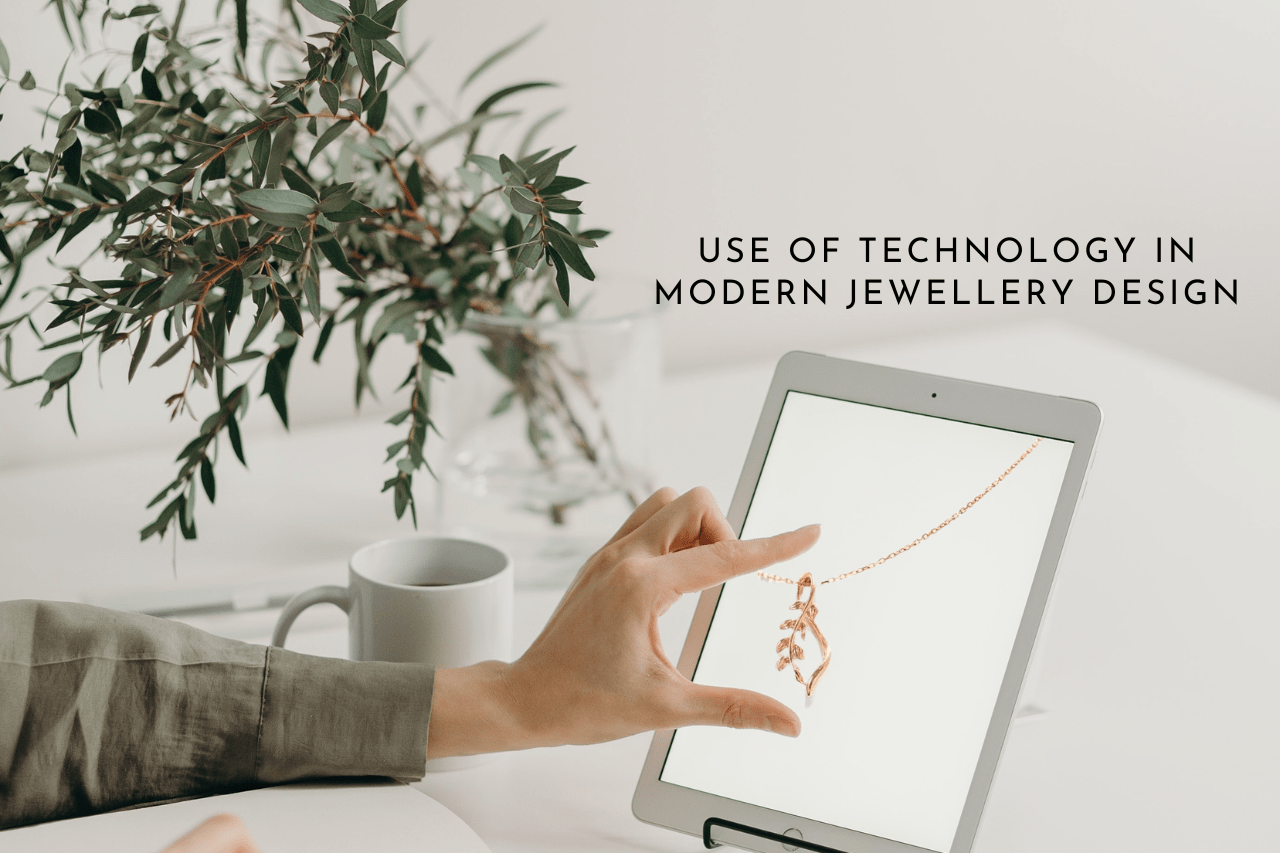
Modern jewellery design is undergoing a transformative shift thanks to the integration of technology in jewellery design. From concept to creation, advanced tools and digital innovations are enhancing precision, creativity, efficiency, and personalization like never before. Whether you’re a student, professional designer, or jewellery enthusiast, understanding how technology in jewellery design is reshaping the industry is essential for staying ahead in a competitive and evolving market.
Why Technology Matters in Jewellery Design
Incorporating digital tools and high-tech machinery into the design process allows jewellers to:
- Reduce manual errors
- Create highly complex and customizable designs
- Accelerate production timelines
- Improve overall design visualization and customer satisfaction
Key Technologies Revolutionizing Jewellery Design
1. Computer-Aided Design (CAD)
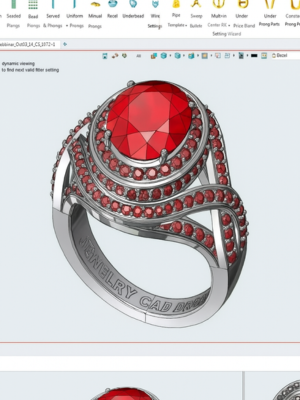
CAD software is the cornerstone of modern jewellery design. CAD stands for Computer-Aided Design. It means using a computer program to create a 3D model of a jewellery piece before it’s made.
Benefits:
- Allows detailed and precise 3D modelling of intricate designs
- Easy modifications and iterations
- Accurate visualization before production
Popular CAD Programs:
- Rhino(Rhinoceros 3D)
- MatrixGold
- ZBrush
- Blender (for experimental or creative modelling)
- JewelCAD
2. Computer-Aided Manufacturing (CAM)
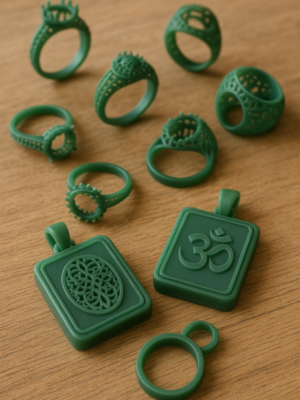
CAM works in tandem with CAD to convert designs into physical prototypes using automated machinery.
Applications:
- CNC milling machines for wax models
- Automated casting of metal forms
Advantages:
- Reduced production time
- Higher accuracy in mass production
- Consistent quality in final products
3. 3D Printing in Jewellery
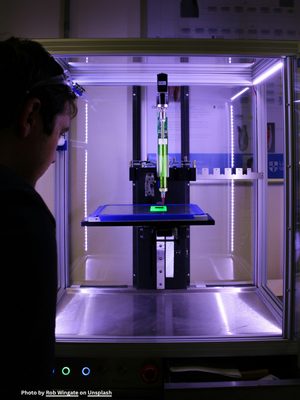
3D printing (Additive Manufacturing) allows rapid prototyping and direct production of intricate jewellery models.
Materials Used:
- Wax or resin (for casting)
- Direct metal printing (e.g., gold, silver, titanium)
Impact:
- Empowers custom and small-batch production
- Enables ultra-fine detailing
- Reduces material waste
4. Laser Technology
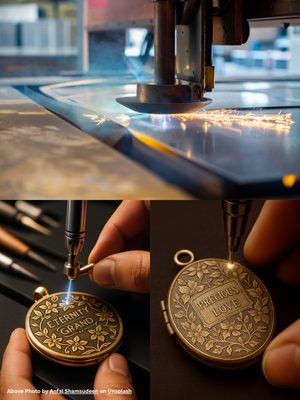
Laser tools are widely used in jewellery production for cutting, engraving, welding, and marking.
Applications:
- Precision cutting of metals and gemstones
- Custom engravings on jewellery
- Seamless soldering and repairs
Benefits:
- Enhanced durability and finish
- Non-invasive
- High accuracy and consistency
5. Artificial Intelligence (AI) and Generative Design
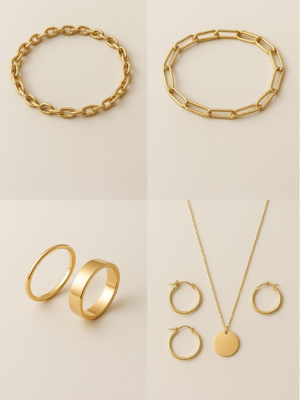
AI is now being integrated into design software to generate unique patterns based on parameters like shape, size, material, and customer preference.
Use Cases:
- Personalized recommendations based on browsing behaviour
- AI-based trend prediction
- Generative design tools for creating organic forms
6. Augmented Reality (AR) & Virtual Try-On
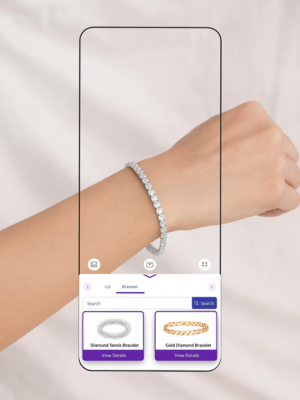
Augmented Reality helps customers virtually try jewellery pieces before buying.
Applications:
- E-commerce platforms and mobile apps
- Retail store kiosks
Benefits:
- Reduces returns
- Enhances customer confidence
- Increases online engagement
7. Blockchain for Jewellery Authentication
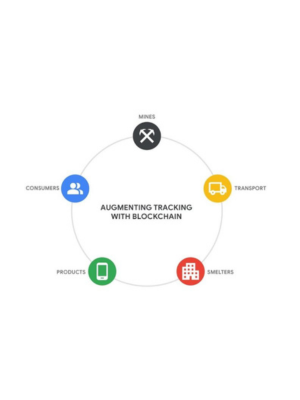
Blockchain is emerging as a powerful tool for ensuring transparency and ethical sourcing in jewellery.
Applications:
- Enhances trust in luxury purchases
- Tracks origin of gemstones
- Authenticates ownership and provenance
The Impact of Technology on Jewellery Designers
Designers today enjoy:
- Greater creative freedom
- Tools that simplify collaboration and remote work
- More efficient workflow from concept to market
- Accessibility to global trends and client bases through digital platforms
Challenges and Considerations
Despite its benefits, adopting technology in jewellery design comes with challenges:
- It’s hard for traditional artisans to learn modern techniques.
- High initial investment in software and machinery
- Need for regular skill upgrades and training
Future Trends in Tech-Driven Jewellery Design
- AI-powered co-design platforms
- Sustainable production using recycled metals and ethical sourcing tech
- Virtual showrooms powered by AR/VR
- NFT jewellery linked to digital ownership on blockchain
Technology is not replacing the artistry of jewellery design; it’s enhancing it. By combining traditional craftsmanship with cutting-edge tools, the jewellery industry is entering a new era of innovation, personalisation, and ethical practices. Embracing these advancements ensures designers stay competitive, consumers stay satisfied, and the industry continues to evolve sustainably. Future Jewellery designs are likely to continue to grow and evolve, and can bring new & innovative designs to the market. Its impact will only continue to be felt in the coming years.
Want to master jewellery design? Enrol in our Master’s in Jewellery Design course today!


