The Men’s jewelry market is experiencing a significant transformation, with jewelry stacking emerging as a dominant trend in contemporary fashion. For students at IIG South(International Institute of Gemology) and aspiring jewelry professionals, understanding these Jewelry trends offers valuable insights into design innovation, consumer behavior, and market dynamics in the luxury jewelry sector.
The Evolution of Men’s Jewelry
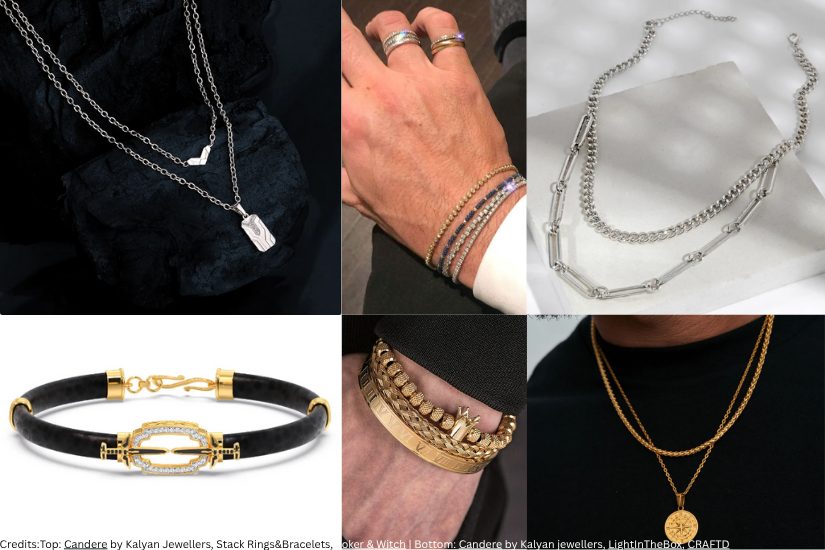
The traditional approach to men’s jewelry, characterized by single, conservative pieces is evolving into a more expressive, layered aesthetic. This shift represents an important market opportunity for jewelry designers and retailers, as demonstrated by major brands like Candere by Kalyan Jewellers launching dedicated men’s collections focused on stackable designs.
Key Market Insights:
- Modern male consumers are seeking jewelry as a form of self-expression rather than mere ornamentation.
- The trend bridges casual and formal wear, expanding wearing occasions.
- Multi-piece purchases increase average transaction values for retailers.
Technical Design Considerations
Material Selection and Compatibility
From a Gemological and Manufacturing perspective, successful stacking jewelry requires careful attention to material properties:
Metal Combinations
- Platinum and rose gold pairings (as seen in the Johan Kada design) require understanding of different melting points and working properties.
- Mixed metal aesthetics demand knowledge of galvanic reactions and wear patterns when metals come in contact.
- Surface finish variations (polished, matte, textured) create visual interest while affecting durability.
Diamond Setting Techniques:
- Pieces designed for stacking require secure, low-profile settings to prevent snagging.
- Prong heights must be minimized to allow comfortable layering.
- Bezel and channel settings work particularly well for stackable designs.
Design Principles for Stackable Jewelry
Structural Considerations
1. Weight Distribution: Multiple pieces worn simultaneously require individual pieces to be lightweight yet substantial enough to convey quality. Understanding the specific gravity of different metals becomes crucial.
2. Dimensional Planning: Chain thickness, bracelet width, and pendant sizes must be proportioned to layer harmoniously. A 2-3mm variation in chain thickness creates a visual distinction without clash.
3. Clasp and Closure Design: Traditional lobster clasps can interfere with stacking. Consider magnetic closures, adjustable sliding mechanisms, or innovative hook designs to make fine jewelry.
Diamond Quality Considerations
For stackable diamond jewelry, diamond selection differs from traditional statement pieces and requires careful consideration of the following factors:
- Cut Considerations: Smaller, well-cut diamonds create brilliance without excessive height that might catch on clothing or other jewelry.
- Clarity Standards: VS2-SI1 clarity grades often suffice for pavé-set stackable pieces, as diamonds are viewed collectively rather than individually.
- Color Consistency: Maintaining color consistency across multiple pieces in a stack becomes more critical than individual diamond color grade.
Precious Metal Purity and Alloying
Understanding karat systems and platinum purity becomes essential:
- 18K gold offers the best balance of durability and luxury for stackable pieces.
- Platinum 950 provides excellent wear resistance for pieces subject to friction from layering.
- Rose gold’s copper content affects both color and durability—important for pieces that rub against each other.
Techniques Suitable for Stackable Collections
- CAD/CAM Applications: Computer-aided design allows for precise planning of stackable collections, ensuring pieces nest properly and maintain consistent proportions across a range.
- Quality Control: Stackable pieces require additional quality checks to ensure comfort and wearability when worn together.
Merchandising Strategies
Displaying pre-curated stacks demonstrates possibilities while encouraging multiple-piece purchases. This approach increases both transaction value and customer satisfaction by reducing decision paralysis.
Learning Applications for IIG South Students
By creating a stackable jewelry collection using different metals and gemstones, students can gain valuable hands-on experience in combining diverse materials harmoniously. Through this process, they will learn to identify potential wear points, design conflicts, and manufacturing challenges, while also developing a practical understanding of pricing strategies adopted by luxury, mid-range, and accessible luxury brands for similar collections.
Design Thinking for Evolving Markets
The jewelry stacking trend exemplifies how traditional craftsmanship intersects with contemporary consumer desires. For gemology and jewelry design students, analyzing such trends develops critical skills in market awareness, technical problem-solving, and innovative design thinking—all essential for success in the modern jewelry industry.
By understanding both the technical requirements and market psychology behind trends like jewelry stacking, IIG South graduates position themselves to create jewelry that resonates with contemporary consumers while maintaining the standards of craftsmanship and gemological expertise that define professional jewelry practice.
This educational analysis is designed for students of gemology and jewelry design, examining market trends through the lens of technical expertise, design principles, and industry applications.
Enroll in our Jewellery Manufacturing Techniques Course to learn master the intricate art and process of crafting fine jewelry.